Five AI red flags that mean run away
Self-declared AI-first companies reveal themselves in single sentences. Five signals that separate real adoption from theater, one probe question each — and the closing question that fires past all five.

Self-declared AI-first companies reveal themselves in single sentences. Five signals that separate real adoption from theater, one probe question each — and the closing question that fires past all five.

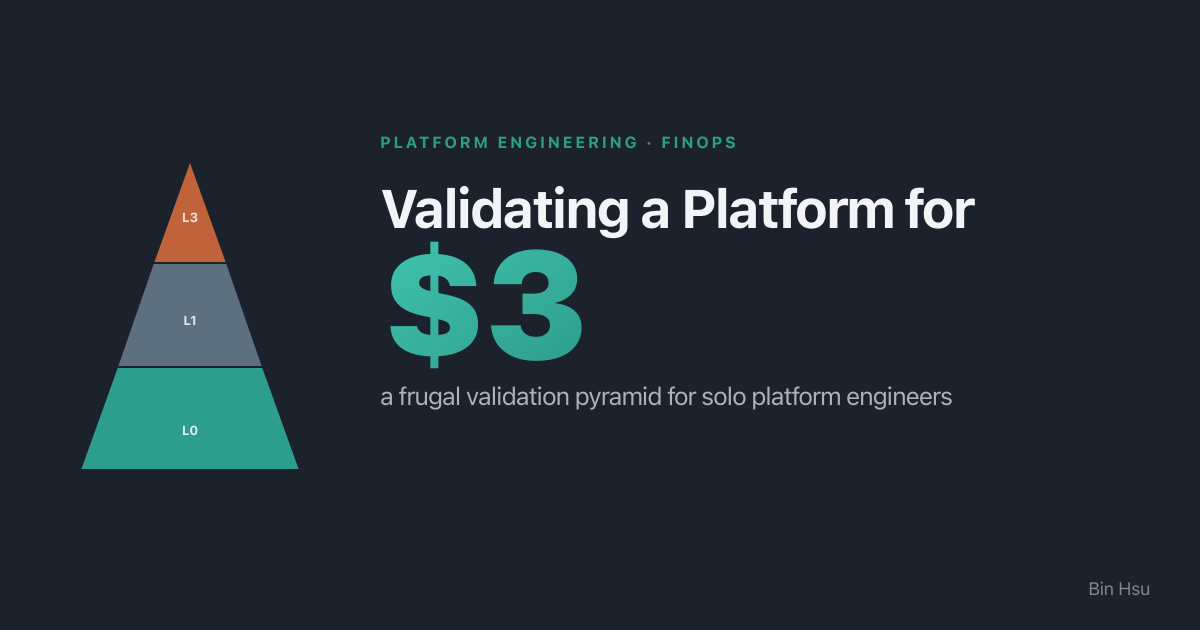
No employer footing the bill, no shared sandbox with a leave-it-running culture — every hour a control plane stays up is my money. That constraint quietly made my platform worse, until I inverted who owns what.

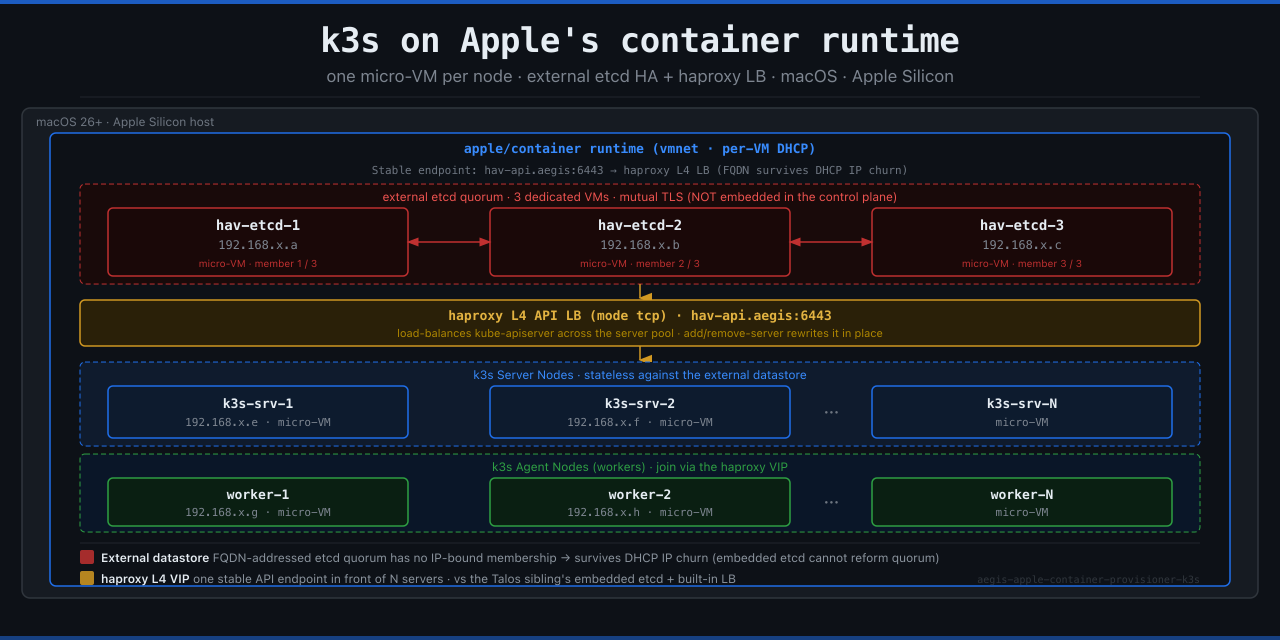
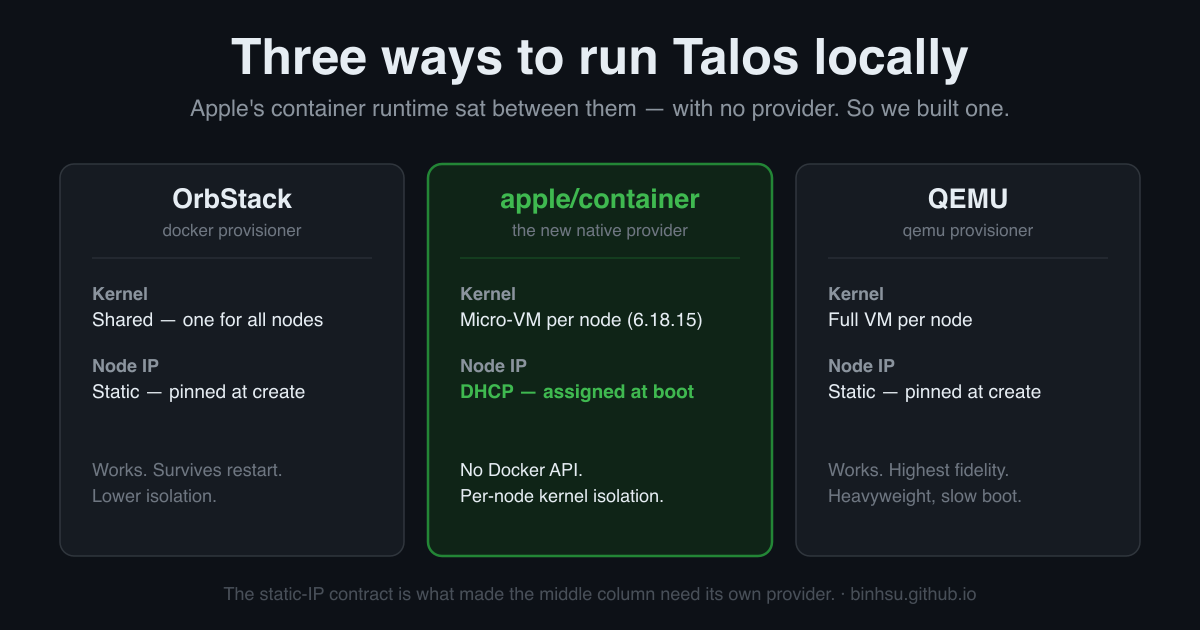
Every local-dev Kubernetes tutorial puts all nodes on a shared kernel. Apple's container runtime breaks that assumption — one micro-VM per node, real DHCP IPs, no Docker daemon. The interesting part came when I tried to make the control plane highly available.

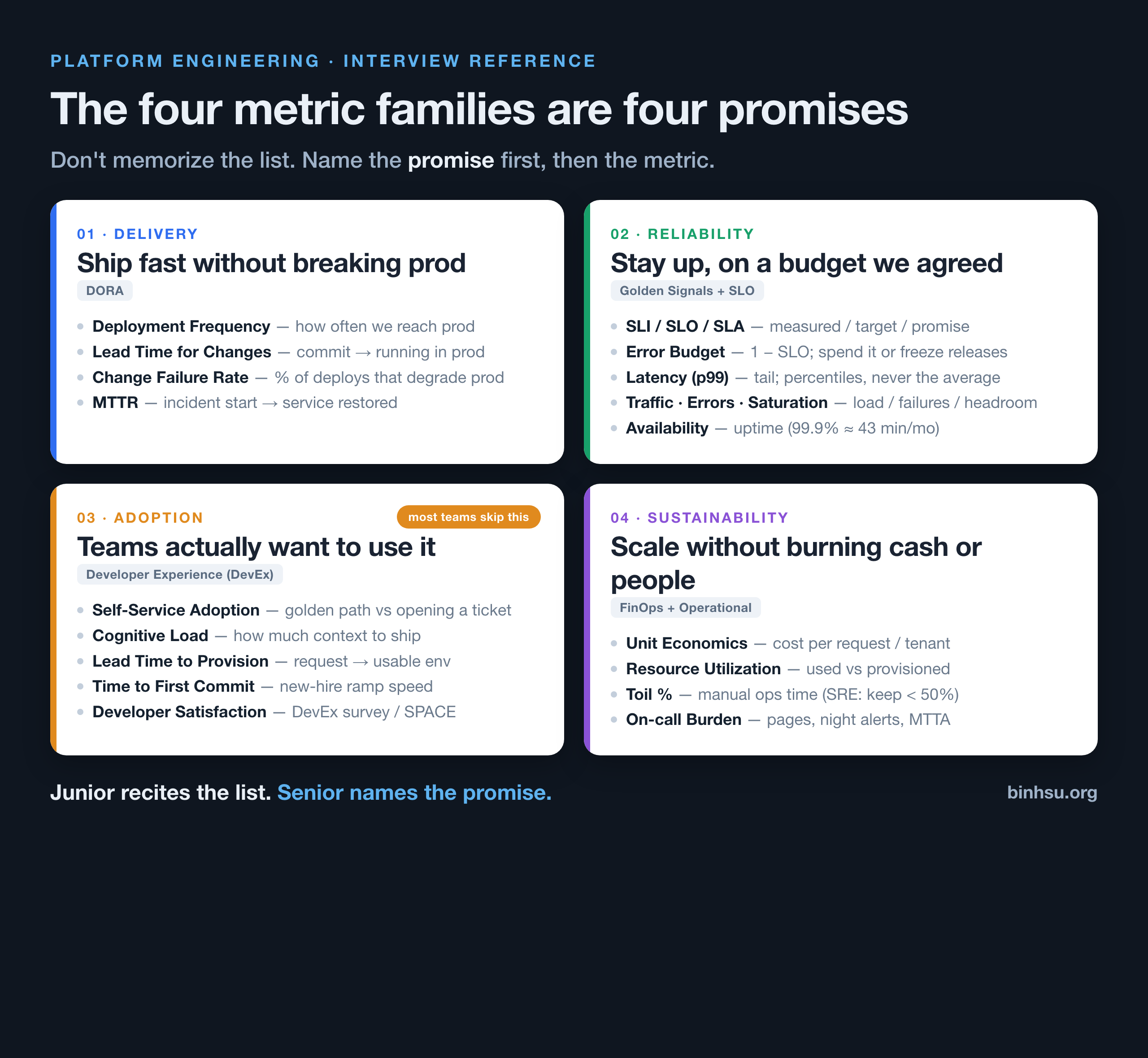
Every platform-engineering interview eventually asks how you measure the platform. The weak answer recites DORA. The strong one knows the metrics group into four promises a platform makes — and that most teams only keep two of them. The full reference table, and the one family almost everyone forgets.

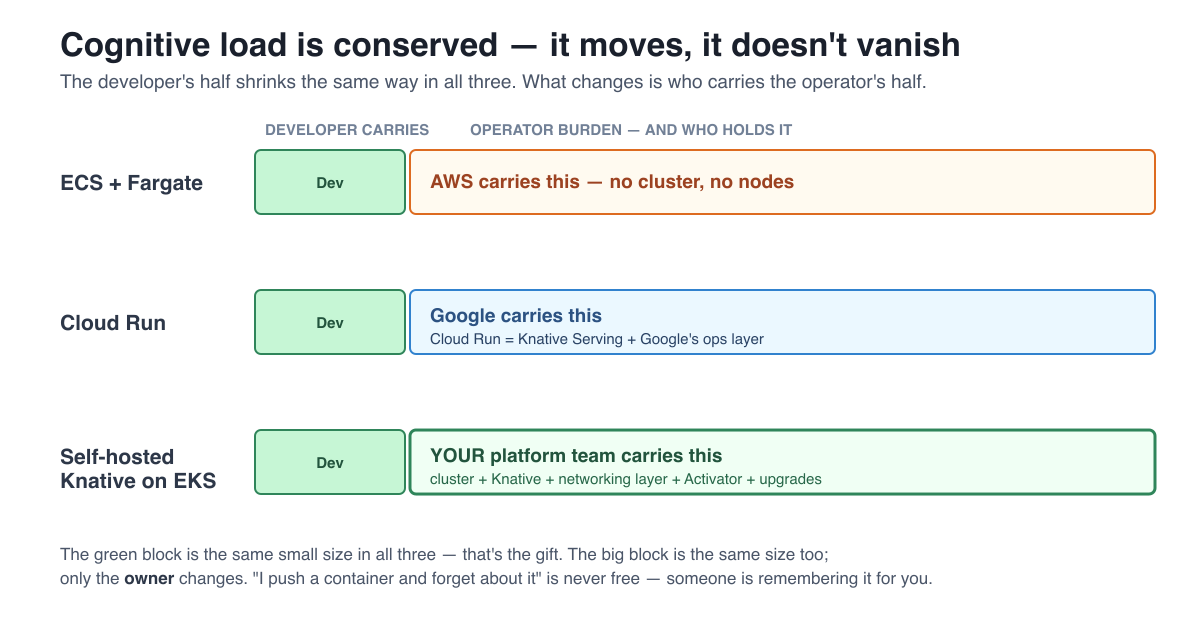
ECS and Cloud Run feel effortless because someone else runs the substrate. Knative can match that developer experience — but self-host it and the load doesn't vanish, it moves to your platform team. A look at where the simplicity actually comes from.

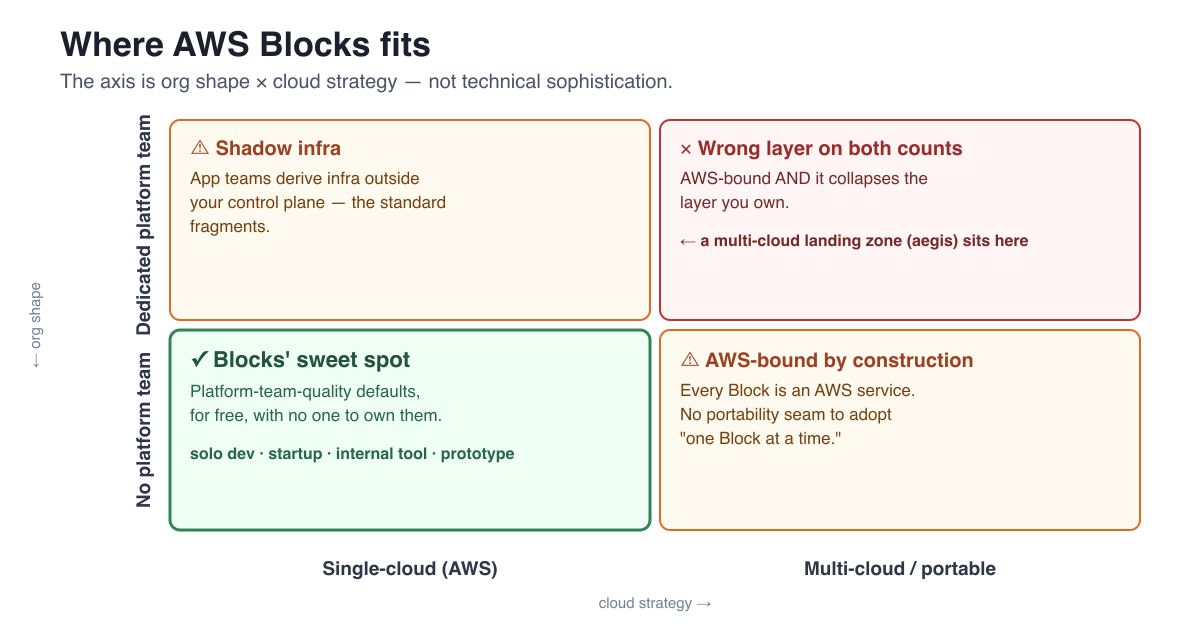
AWS shipped an infrastructure-from-code toolkit that derives your AWS resources straight from TypeScript. It's a real gift to a single-app team on AWS — and the wrong layer the moment you have a platform team or a multi-cloud stance. Here's the boundary, mapped against a platform I actually run.

Production dropped the Docker daemon years ago; the local dev loop never did. I tried to close that gap with Talos on Apple's container runtime — and DHCP, then a maintainer's 'no,' turned out to be the real story.

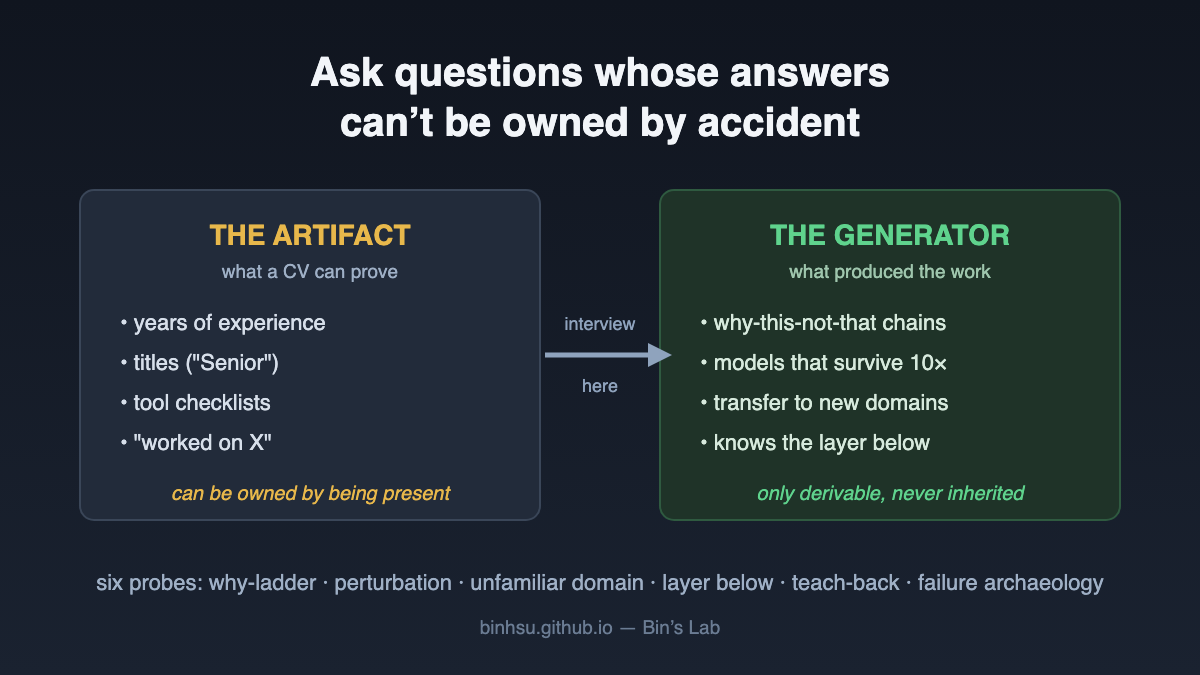
Years prove work happened near someone. Six probes for the engine that did the thinking — and where each one comes from.

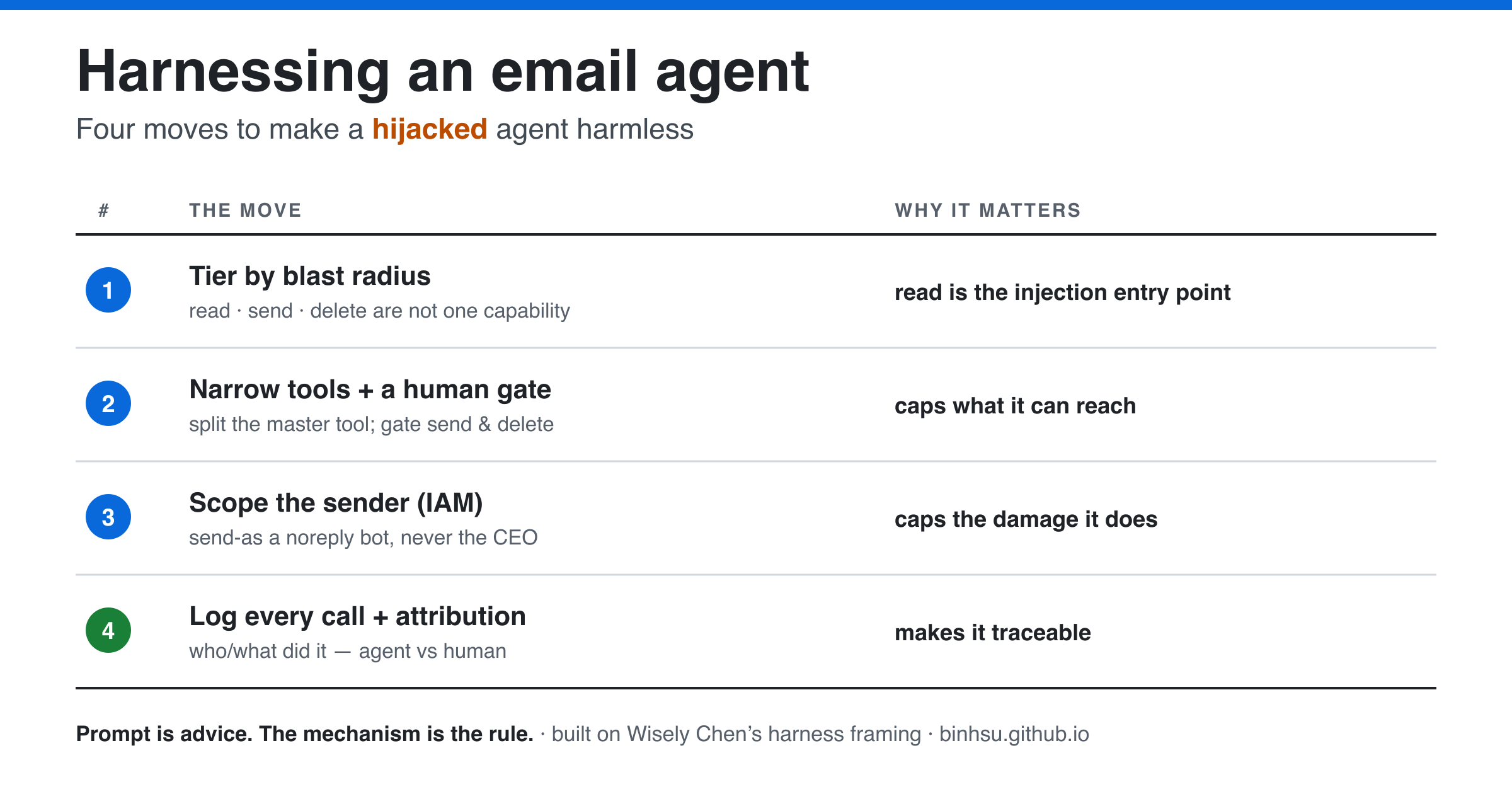
Wisely Chen condenses agent safety into "Harness = Agent − Model." Right, but abstract. Here's the same idea on one concrete system, in four moves — built around one threat: a malicious email that hijacks the agent.

I had seven guardrails against exactly this. Six were written rules. One was enforced by a machine — and it was the only one that fired.